
Scheveningen was the district which British prisoners-of-war were restricted to. There they were
under Dutch command. Conrad met an influential friend of his father, II Duca di Cavello, a member of the diplomatic corps
of The Hague.He was looking after the
welfare of the Italian soldiers still in Germany.
A bureau was opened and Conrad spoke Italian like a native and Russian French and more he was recruited to help. While he
worked for the Italians he visited the British vice-consul, who was actually engaged in contra-espionage in Holland.
Conrad said, he found himself; almost without a conscious decision, establishing patterns of behavior which would influence
his future role in the European drama to come. The War ended. Conrad returned to England
and then at the invitation of his cousin Rosamond Ffrench went to MoniveaCastle in Galway.
Monivea was owned by Kathleen Ffrench the only child of Sir Robert Percy Ffrench and Countess Kindiakoff Kathleen had lived
in great splendor with her mother in the largest of their Palaces on the Volga. Kathleen was known as the wealthiest Britisher
in Russia and had been
imprisoned by the Communists and all her estates had been confiscated; The Palaces would be raised to the ground in the years
that followed, destroyed as symbols of "damned tsarism". Kathleen was to play her role in Conrad's life but for now she was
only a name to him. Rosamond had always lived there with her father Atcheson after he died she continued to live there. Locally
she was the accepted chatelaine of the Ffrench estates. After his years abroad and in captivity Conrad felt inspired to be
at one with his family's ancient home. He describes a long lost feeling of belongingness welling over him.The world soon caught up with him though. A letter arrived from the War Office. Someone in the Special Branch wanted
to see him.
Colonel Stuart Menzies
M
On the appointed morning a jarvey car arrived harnessed to an eager two year old straining to be
off. At a gallop Conrad approached Athenry junction. But saw his train steaming into the distance. It had left early and the
station master Glibly explainedjust how the punctuality of the Irish mail was often
at the inconvenience of it’s passengers. Conrad arrived a day late and was escorted to a large building and led up to
it's labyrinthine attic rooms. There he was greeted by Cathleen. She led him to a small office. A youngish Colonel dressed
in the uniform of the Life Guards came forward to greet him. This was Colonel Stuart Menzies referred to those who worked
for him as "SM". SM told Conrad that he had a job to offer him as Assistant Military Attaché in Stockholm.
He went on. "It will be no picnic and carries with it great responsibilities and is, of course, highly secret." Conrad was told some of what was entailed in the new post and was told to think it over and return
the following day with his decision. As Conrad was led out he was in no doubt what his decision might be. He mused what he
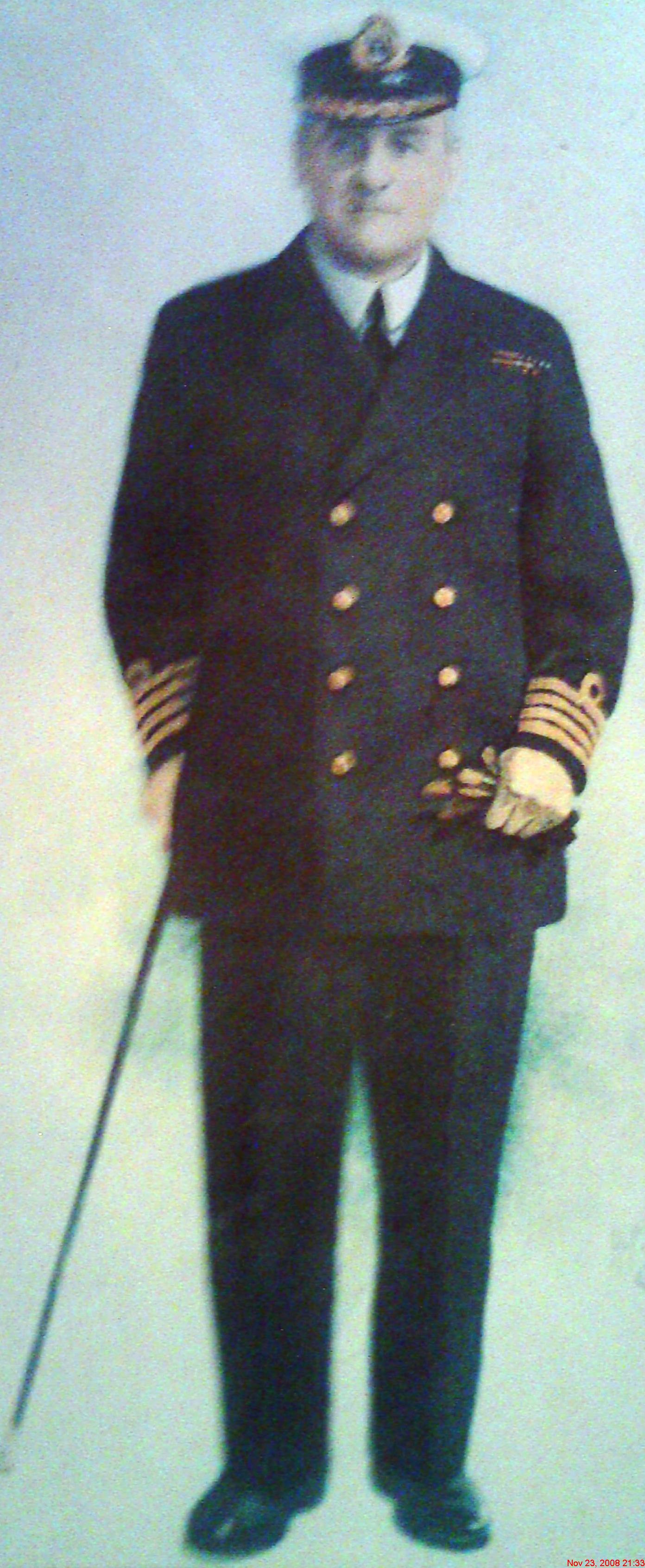
would look like in disguise. The following day he met SM and accepted the post. He was taken to meet C. He was introduced
to a captain in the Navy. They were not invited to sit down. The Cummings held Conrad in a steady measuring gaze which said
to Conrad. "I'll never let you down - don't you ever dare do so to me!" op. cit. Conrad
was to be under a Major Scale in Stockholm. After a harrowing
crossing through a German limpet minefield Conrad stood on the docks at Stockholm.
It was a cold crisp morning in January 1919. He was dressed in the starchy unfamiliar weeds of the diplomat, dark suit, overcoat,
bowler hat and spats. He was met by Major Scale, his wife and the station secretary Oonah Stuart. They were going skiing.Major Scales was a handsome debonair man with a contagious good humor. "Come on get those ridiculous
clothes off and come out with us." said the Major, and meant it. They had brought skis for him. Conrad's first day on the
job on his majesty's secret service was spent on skis in full diplomatic garb. Given that it was his first time on skis also
the comedy and hilarity of the day fostered an intimacy between them all. In the morning the work proper was to begin.